


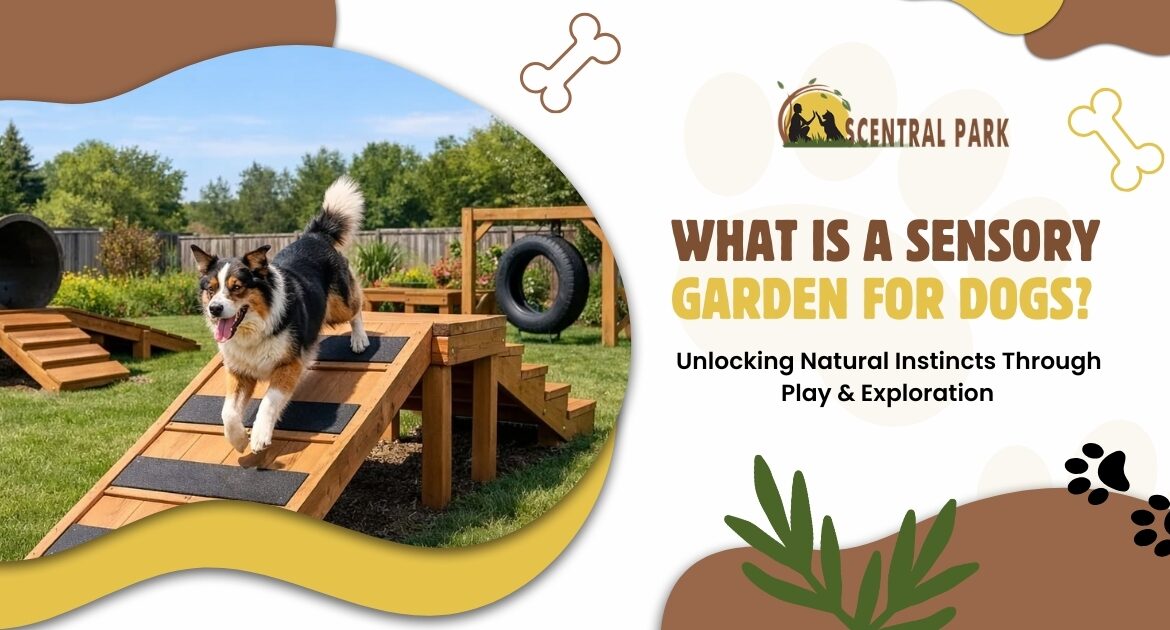
So What Exactly Is a Sensory Garden for Dogs?
A sensory garden for dogs is a specially designed outdoor space created to stimulate a dog’s instincts using different textures, smells, sounds, surfaces, and interactive experiences. Think mud pits, sand areas, shallow water spaces, natural wood textures, open grass, climbing zones, scent trails, and exploration corners. Sounds simple at first. But for dogs, it’s mentally huge. Dogs experience the world primarily through scent and physical interaction. A regular park walk doesn’t always satisfy that curiosity properly. A sensory garden creates an environment where dogs can safely explore without constant restriction. And honestly, once you see a dog fully relaxed in one of these spaces, the difference becomes obvious very quickly.Why Modern Dogs Need More Than Just Walks
A quick walk around the block burns energy. But mental stimulation? That’s a different thing entirely. Many behavioural issues people complain about actually come from boredom, frustration, lack of enrichment, or overstimulation inside urban environments. Dogs need opportunities to sniff, investigate, process scents, and make independent choices. That’s one reason spaces designed around sensory garden for dogs concepts are becoming more important for pet parents today. Especially in busy cities like Bangalore, where many dogs spend most of their day indoors. Exploration helps dogs feel calmer, more confident, and more emotionally balanced. Some dogs become visibly more relaxed simply from having the chance to move naturally through different environments.The Interesting Thing About Dog Senses
Humans rely heavily on eyesight. Dogs don’t. Their world is driven by smell, texture, sound, movement, temperature, and environmental changes. A patch of mud or a pile of leaves can actually become mentally stimulating for them in ways humans don’t immediately understand. That’s why a properly designed sensory dog garden focuses on multiple forms of engagement rather than just open running space. At places like Scentral Park, dogs interact with mud baths, water zones, sand pits, natural surfaces, and carefully designed exploration areas intended to encourage instinctive behaviour safely. It’s less about “exercise only” and more about complete sensory engagement.Why Bangalore Pet Parents Are Becoming More Interested
Urban pet parenting has changed a lot. People now care far more about enrichment, emotional well-being, socialisation, rehabilitation, and behavioural health instead of treating walks as the only form of activity. That shift explains why concepts like the sensory dog garden are growing steadily among pet owners looking for healthier outdoor experiences for their dogs. It’s also connected to another reality many Bangalore pet parents face. Finding safe outdoor areas for dogs isn’t always easy. Discussions online regularly show pet owners struggling to find truly pet-friendly open spaces in the city. Dedicated sensory spaces solve part of that problem by creating structured environments designed specifically for dogs instead of trying to “fit” them into human-focused parks.It’s Not Just Play. It’s Confidence Building Too.
One of the biggest benefits people notice is confidence. Dogs that are nervous, overstimulated, or unsure in new environments often become more curious and relaxed when allowed to explore naturally at their own pace. Climbing textures, sniffing plants, splashing through shallow water, and digging sand. These small experiences actually help dogs process the world more comfortably. That’s why many modern canine enrichment spaces focus heavily on sensory exploration instead of constant obedience-based interaction.What Makes A Good Sensory Garden?
A proper sensory garden isn’t just random grass and toys. The environment needs to feel safe, controlled, natural, and stimulating at the same time. Good sensory spaces usually include:- Water interaction zones
- Mud or sand areas
- Different walking textures
- Safe off-leash exploration
- Calm surroundings
- Controlled dog numbers
- Natural scent stimulation
- Areas for rest and decompression
Final Thoughts
Dogs were never meant to experience the world only through pavements and short-leash walks. They’re naturally curious animals. They want to sniff, search, climb, splash, dig, and explore freely. That’s exactly why sensory gardens feel so valuable for modern pet parenting. A well-designed sensory garden environment gives dogs the chance to reconnect with those instincts safely while also improving confidence, emotional balance, and mental stimulation. For pet parents searching for the best pet boarding in Bangalore combined with enrichment-focused outdoor experiences, Scentral Park offers a unique environment built specifically around canine wellbeing, sensory engagement, and natural exploration.FAQ
1. What happens inside a sensory dog garden?
A sensory garden allows dogs to explore different textures, smells, surfaces, and natural elements like mud, sand, water, and grass. A properly designed sensory dog garden encourages dogs to use their instincts naturally while helping improve confidence, relaxation, and mental stimulation through safe outdoor exploration activities.
2. Are sensory gardens suitable for anxious or reactive dogs?
Yes, many sensory gardens are designed to create calmer environments with controlled interactions and structured exploration. Spaces built around sensory garden for dog concepts often help nervous dogs feel more comfortable because they can move, sniff, and explore naturally without excessive crowding or overstimulating environments around them constantly.
3. Why is sensory play important for dogs?
Dogs experience the world very differently from humans. Smells, textures, sounds, and movement all play a major role in how they process their surroundings. A well-planned sensory dog garden helps dogs stay mentally active, emotionally balanced, and naturally engaged instead of becoming bored from repetitive daily routines indoors.
4. Can senior dogs enjoy sensory gardens too?
Absolutely. Older dogs often enjoy slower exploration, gentle water interaction, soft grass, and calm outdoor environments. Many sensory spaces are designed to support different activity levels, allowing senior dogs to experience enrichment comfortably without pressure. Sensory exploration can also help improve relaxation and overall emotional well-being for ageing pets.
5. Why are sensory gardens becoming popular in Bangalore?
Urban pet parents are becoming more focused on enrichment, behaviour, and emotional well-being instead of basic exercise alone. That’s one reason many people searching for the best pet boarding in Bangalore are also looking for spaces offering outdoor sensory experiences, natural exploration, and structured environments designed specifically around canine wellbeing.